
For logistics service providers that manage stock for multiple clients
Every client has their own rules, their own EDI and their own agreements, and at the end of the month storage and handling have to be invoiced. In MintIQ, stock per client, the rules and the invoicing sit in the system that also runs the shop floor, so the agreement is where the order picker sees it.
What we see at logistics service providers
Every client has their own rules
One wants the oldest best-before date to go first, another wants their own message with every shipment. The WMS knows some of those agreements, the team knows the rest by heart or it hangs on a note by the packing table.
The storage invoice in Excel
At the end of the month, for each client, someone works out how many pallets were stored and how many handling operations there were. That usually happens in Excel, from WMS exports, every month again.
Saying no to a new customer
A new client would be a good fit, except the requirements do not fit the system. Adapting it costs a quote and months, so it becomes a no, or an exception that works as long as the right people are around.
From inbound notice to monthly invoice
The inbound notice comes in
Every shipper sends their own format, and someone converts it or retypes it.
The inbound notice is read automatically, whether it arrives by email, as a PDF or via EDI. Nobody retypes it.
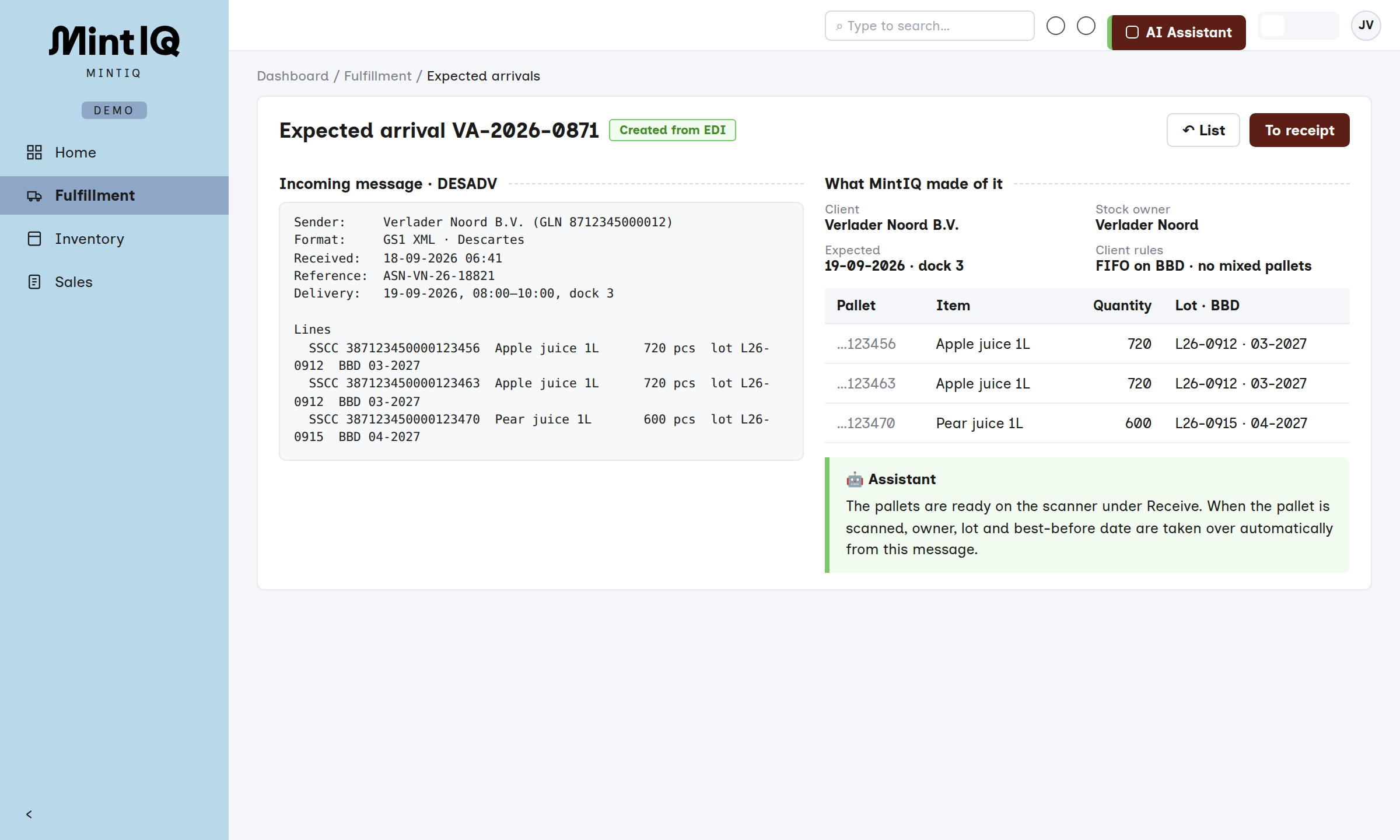
Receiving
Received on paper, stock booked later, and the question of whose pallet is whose.
Scan by item or pallet, with lot, batch and best-before date, booked directly to the right stock owner.
Storing
The location is in the forklift driver's head, and a batch still awaiting inspection sits in among the rest.
Logistic units and pallet types, putaway to locations, and a block on batches that have not yet been released.
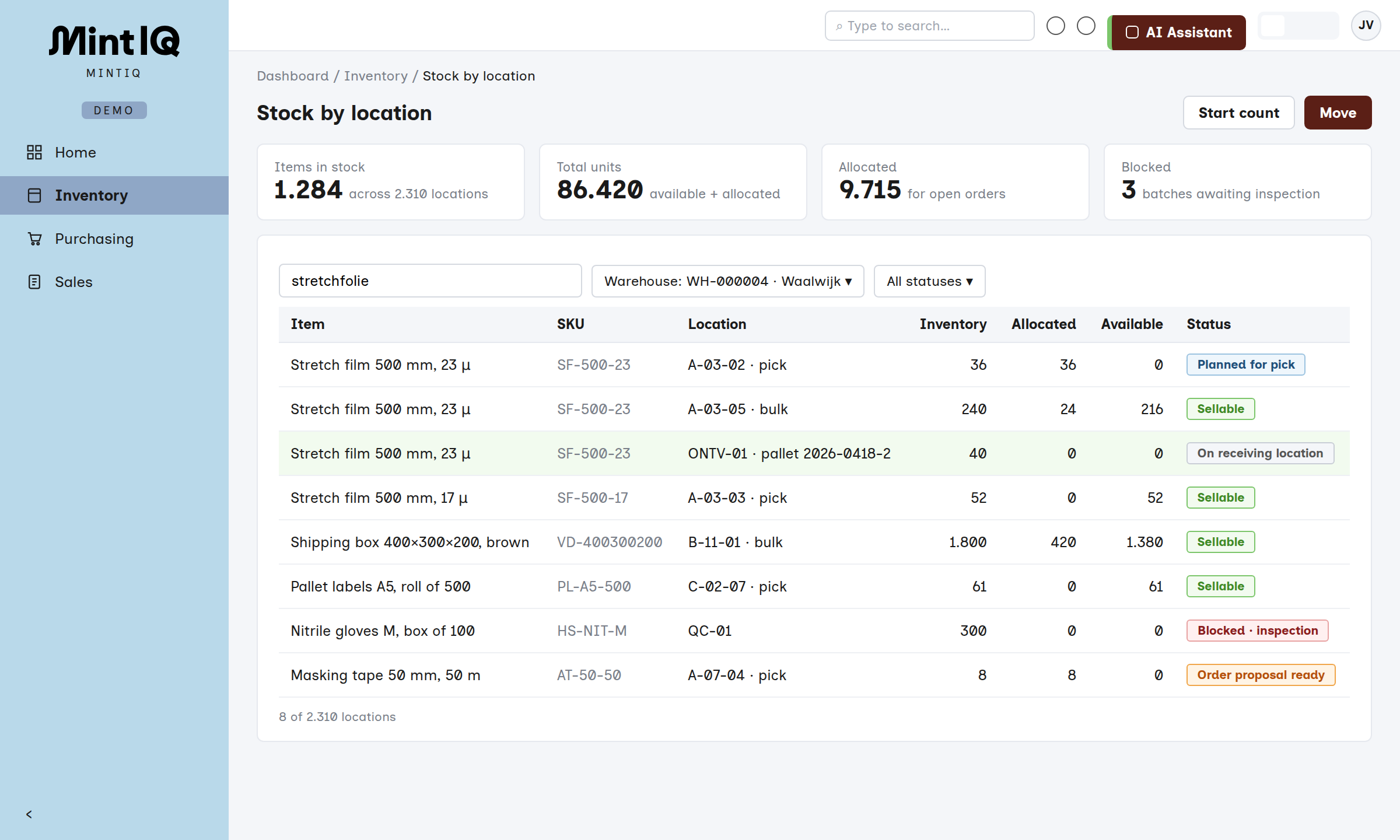
Order picking
The client's rules on a note, and the new colleague who does not know them yet.
Task-driven picking on the scanner, with the client's rules in plain language on the pick list.
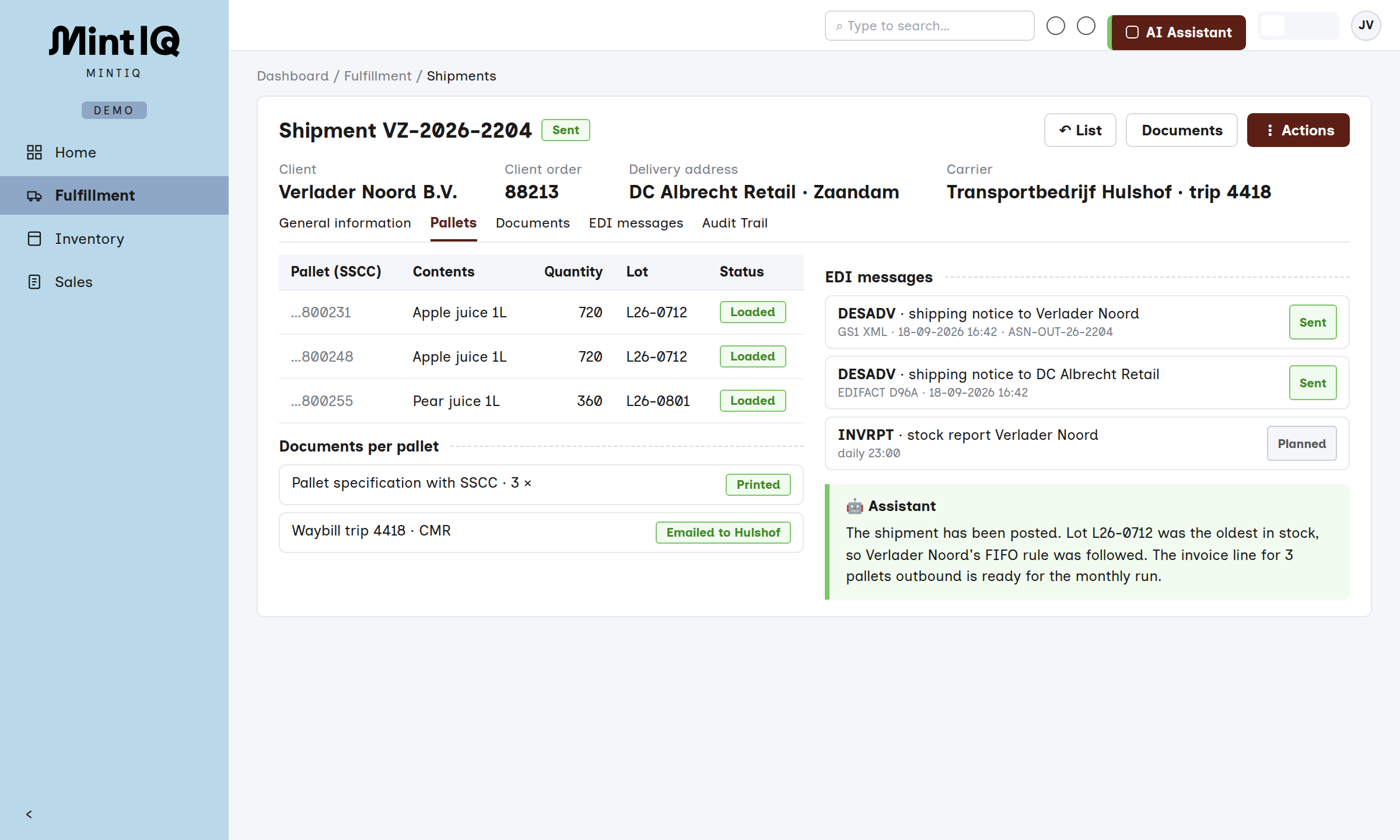
Shipping
Shipped in the WMS, the message to the shipper sent separately.
The shipment and the EDI message back to the shipper come from the same system.
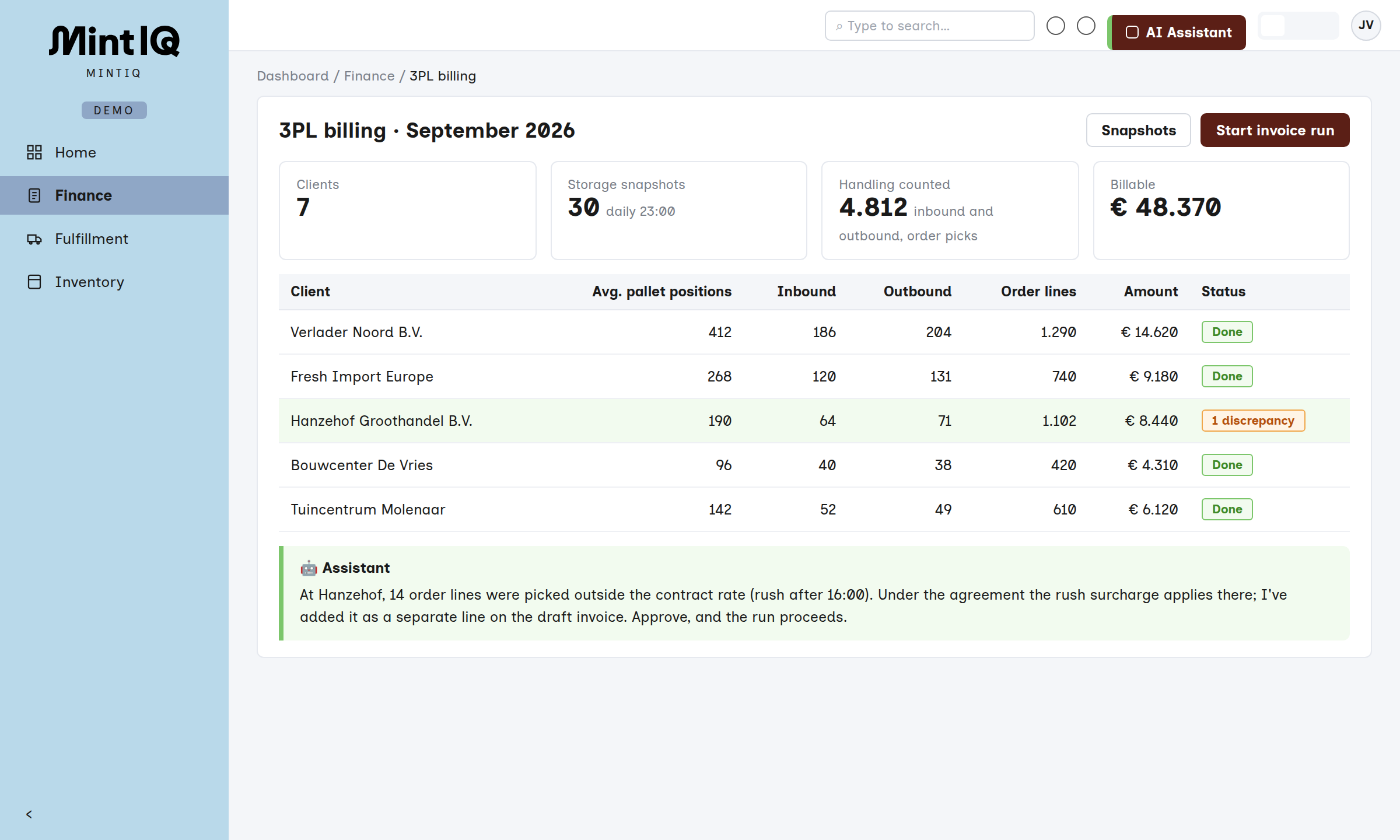
Invoicing
At the end of the month, exports, Excel and a few evenings of calculating.
A daily snapshot of storage per client, and at the end of the month an invoice run to the accounting package.
The shop floor and the client in one system
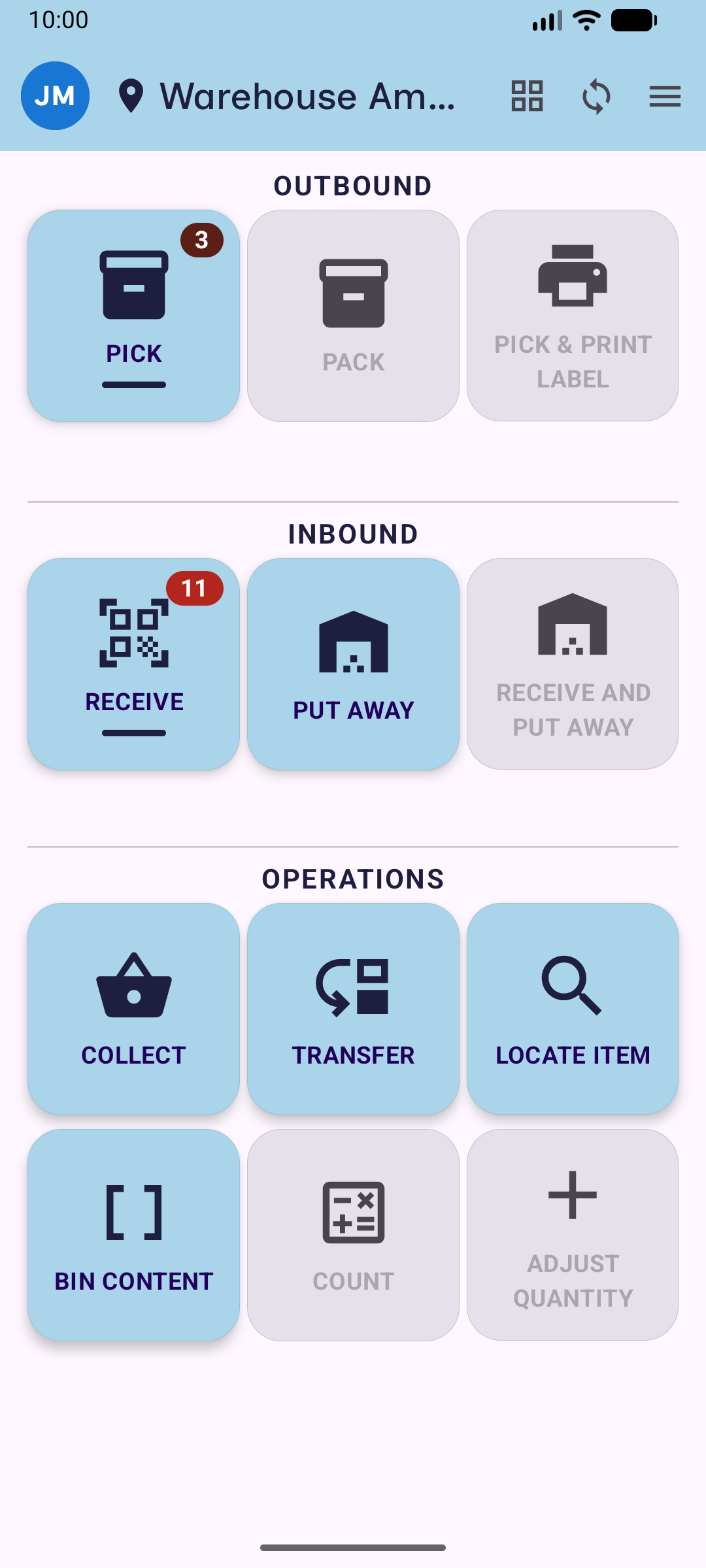
Stock per client
Every pallet and every item is registered to a stock owner, from receipt to shipment, with lot, batch, best-before date and serial numbers.
Rules where they are needed
The agreements with a client are written in plain language on the item or the customer, and appear on the pick list. A new client with different requirements is therefore a matter of setup.
Invoicing from the warehouse data
The daily snapshot per client is the basis for the monthly invoice, which goes to the accounting package as a run.
Ask your own data
How many pallets are stored for a client, and which batches are approaching their best-before date? You ask in plain language and, if you like, pin the answer to the dashboard as a report.






Let's talk
Have a question, or want to know what MintIQ could mean for you? We are happy to help. Tell us briefly how your order flow works, and we will show you MintIQ with a process that looks like yours. And if we are not the best choice, we will say so.
- Email us
- hello@mintiq.com
- Response time
- Within a few hours, 24 at most
- Visit us
- Amsterdam (HQ) · Prins Hendrikkade 21-E
Utrecht · Stationsplein 32